Reverse engineering (also known as backwards engineering or back engineering) is a process or method through which one attempts to understand through deductive reasoning how a previously made device, process, system, or piece of software accomplishes a task with very little (if any) insight into exactly how it does so.
It is essentially the process of opening up or dissecting a system to see how it works, in order to duplicate or enhance it. Depending on the system under consideration and the technologies employed, the knowledge gained during reverse engineering can help with repurposing obsolete objects, doing security analysis, or learning how something works.
How does the reverse-engineering process work?
The reverse-engineering process is specific to the object on which its being performed. However, no matter the context, there are three general steps common to all reverse-engineering efforts.
They include:
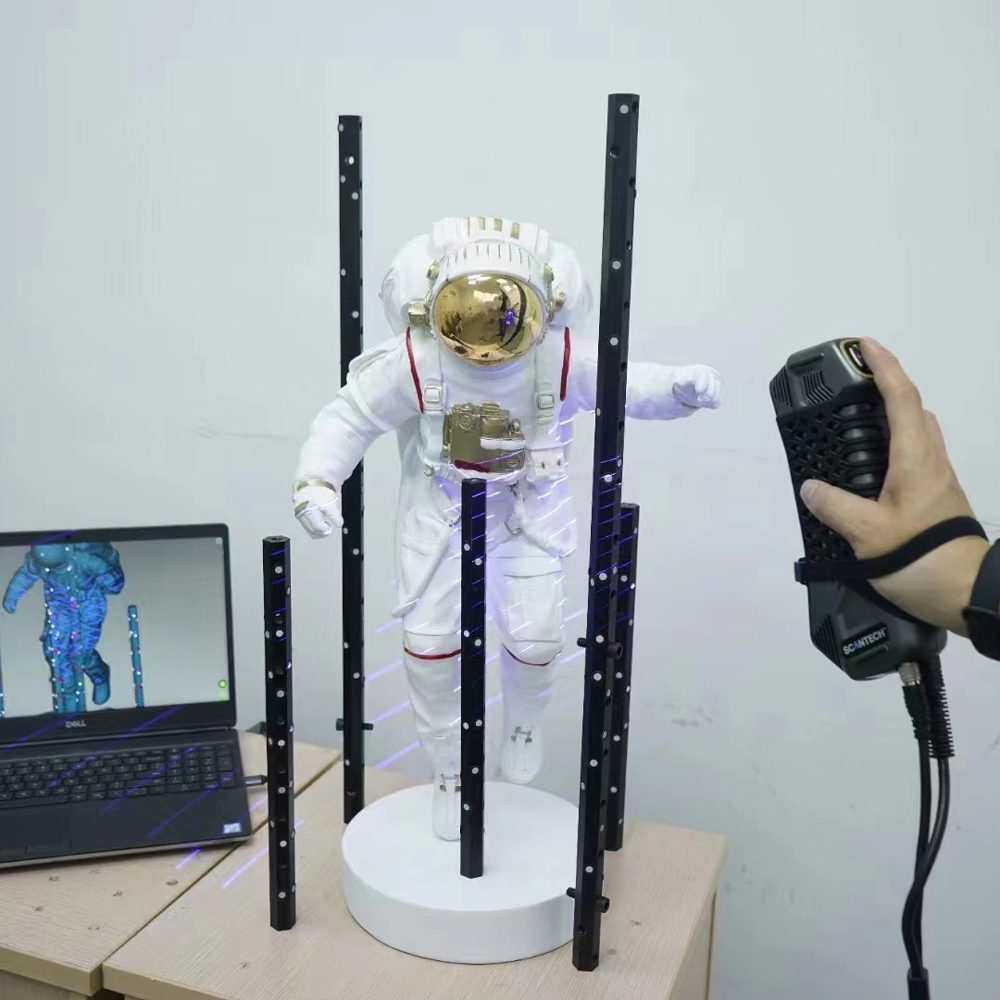
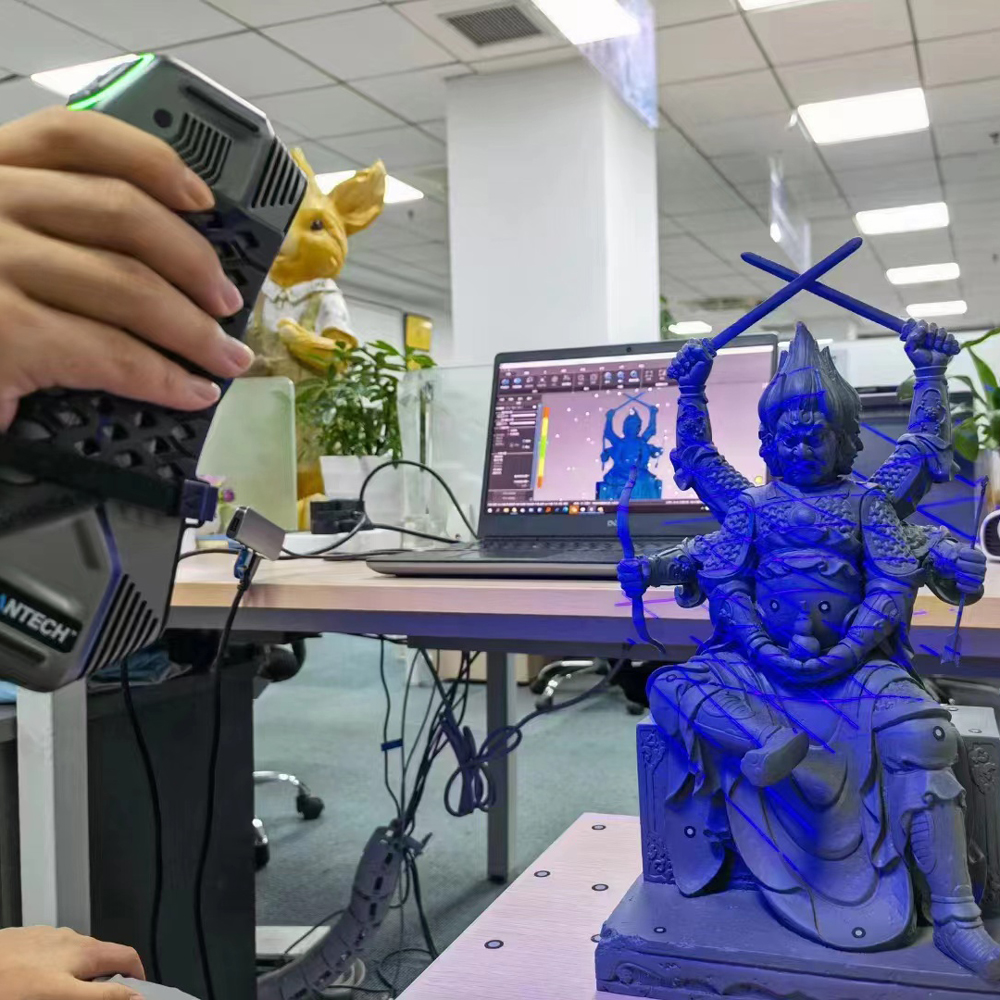
* Information extraction. The object being reverse-engineered is studied, information about its design is extracted and that information is examined to determine how the pieces fit together. In software reverse-engineering, this might require gathering source code and related design documents for study. It may also involve the use of tools, such as a disassembler to break apart the program into its constituent parts.
* Modeling. The collected information is abstracted into a conceptual model, with each piece of the model explaining its function in the overall structure. The purpose of this step is to take information specific to the original and abstract it into a general model that can be used to guide the design of new objects or systems. In software reverse-engineering this might take the form of a data flow diagram or a structure chart.
* Review. This involves reviewing the model and testing it in various scenarios to ensure it is a realistic abstraction of the original object or system. In software engineering this might take the form of software testing. Once it is tested, the model can be implemented to reengineer the original object.





 Wayne Prototype